
Print finishes
Printing and finishing options.
Start with letterpress on cotton, then compare the finishing options. Each page explains the effect, stock compatibility and artwork needs.
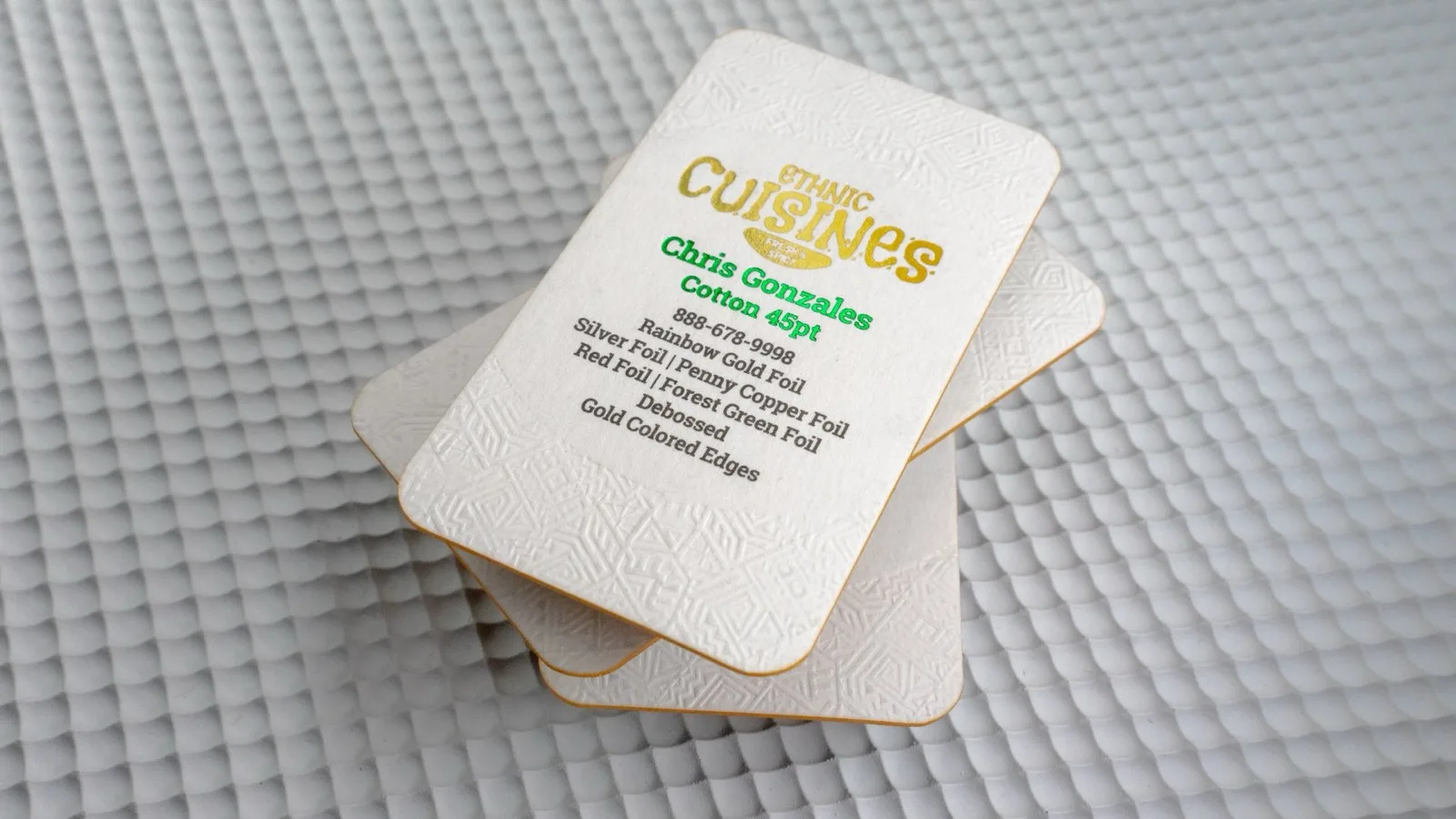
Cotton deboss reference · surface illustration
Letterpress
Ink is mixed by hand and printed one colour at a time, leaving a recessed impression.
Explore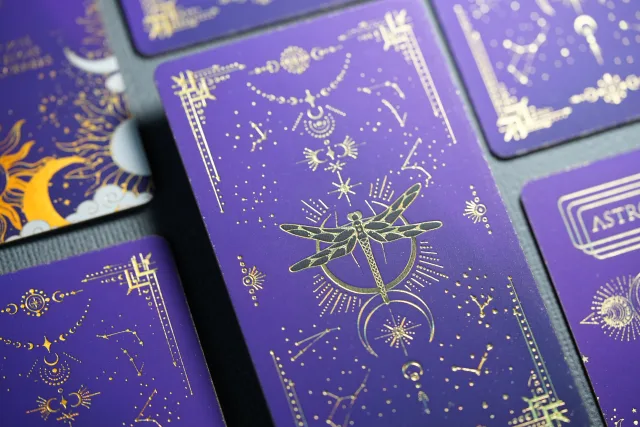
Hot foil stamping
Heat and pressure transfer a metallic foil to selected areas of the design.
Explore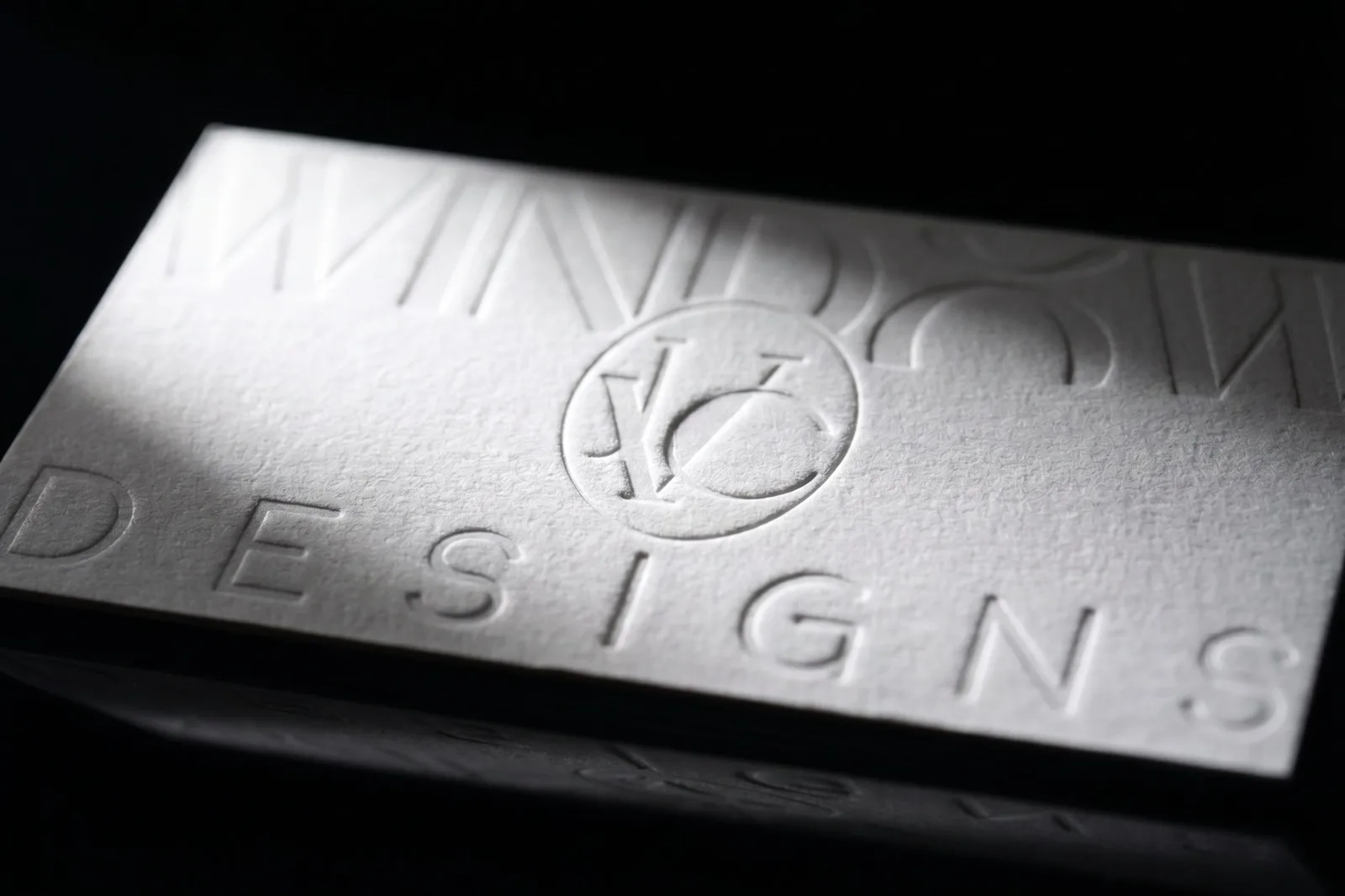
Blind deboss
An uninked mark sits below the paper surface and becomes visible as the light changes.
Explore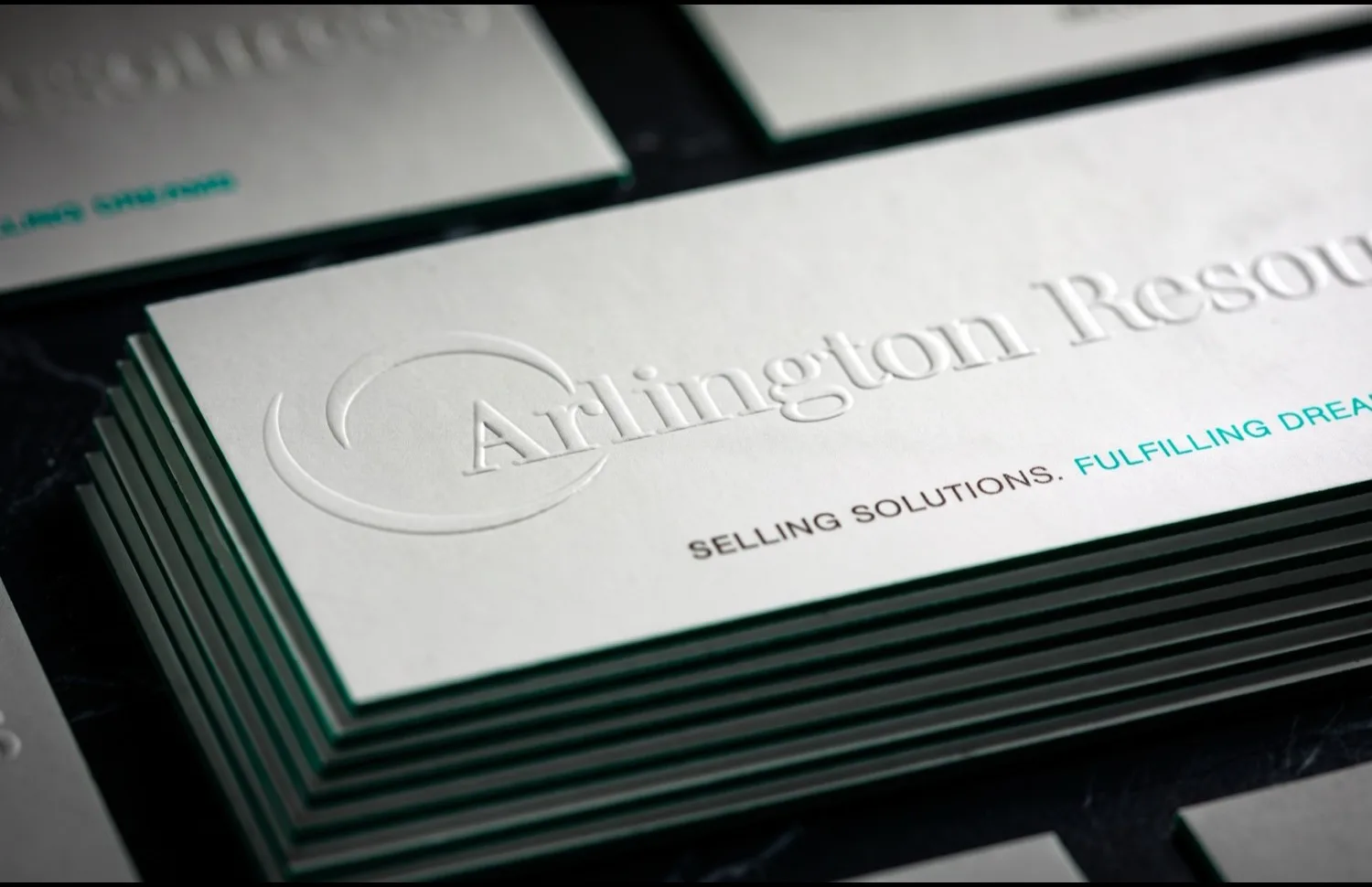
Embossing
A raised detail adds another direction of depth, with a corresponding shape on the reverse.
Explore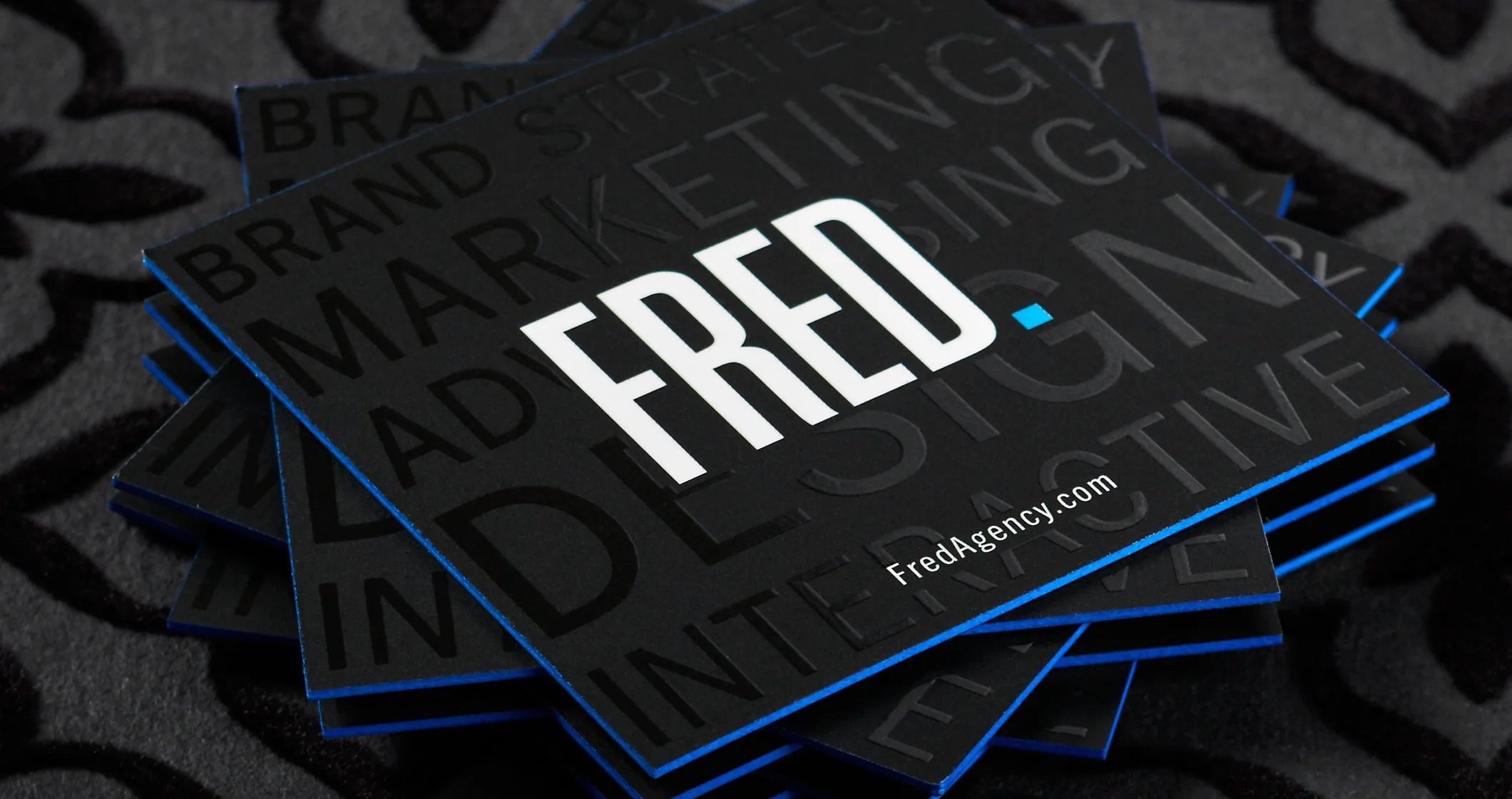
Painted edges
A band of colour follows the cut edge, most visible in a substantial card or a stack.
Explore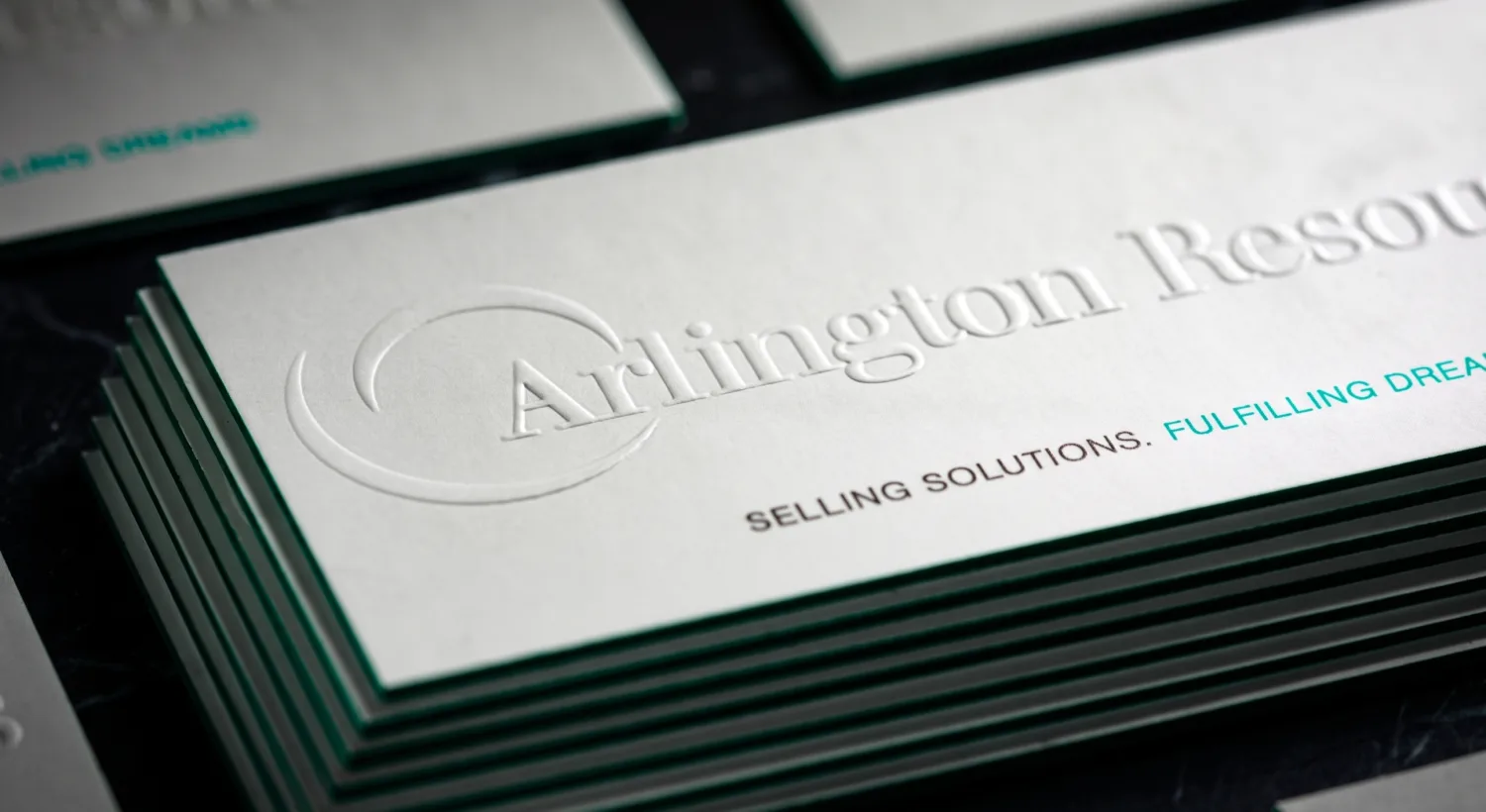
Duplexing
Two sheets are bonded to combine paper colours, surfaces or thickness.
Explore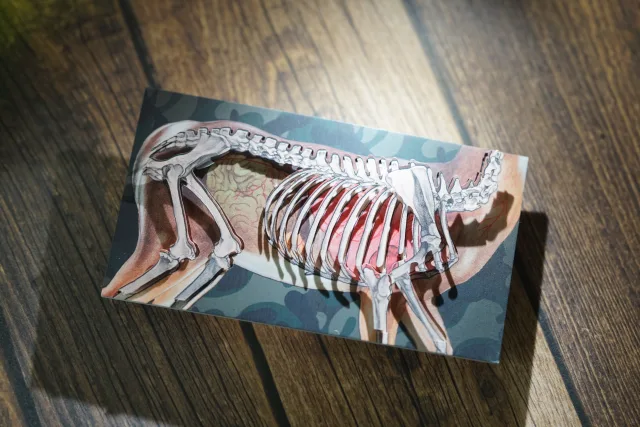
Die cutting
A custom outline changes the silhouette. Shape and fine detail are reviewed with the stock.
Explore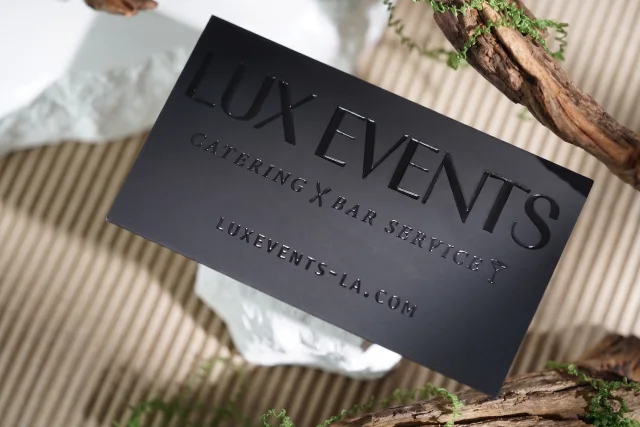
Raised spot UV
A selective clear coating brings gloss and dimension to compatible laminated stock.
Explore
Flat spot UV
A selective gloss contrasts with the rest of a compatible laminated card.
Explore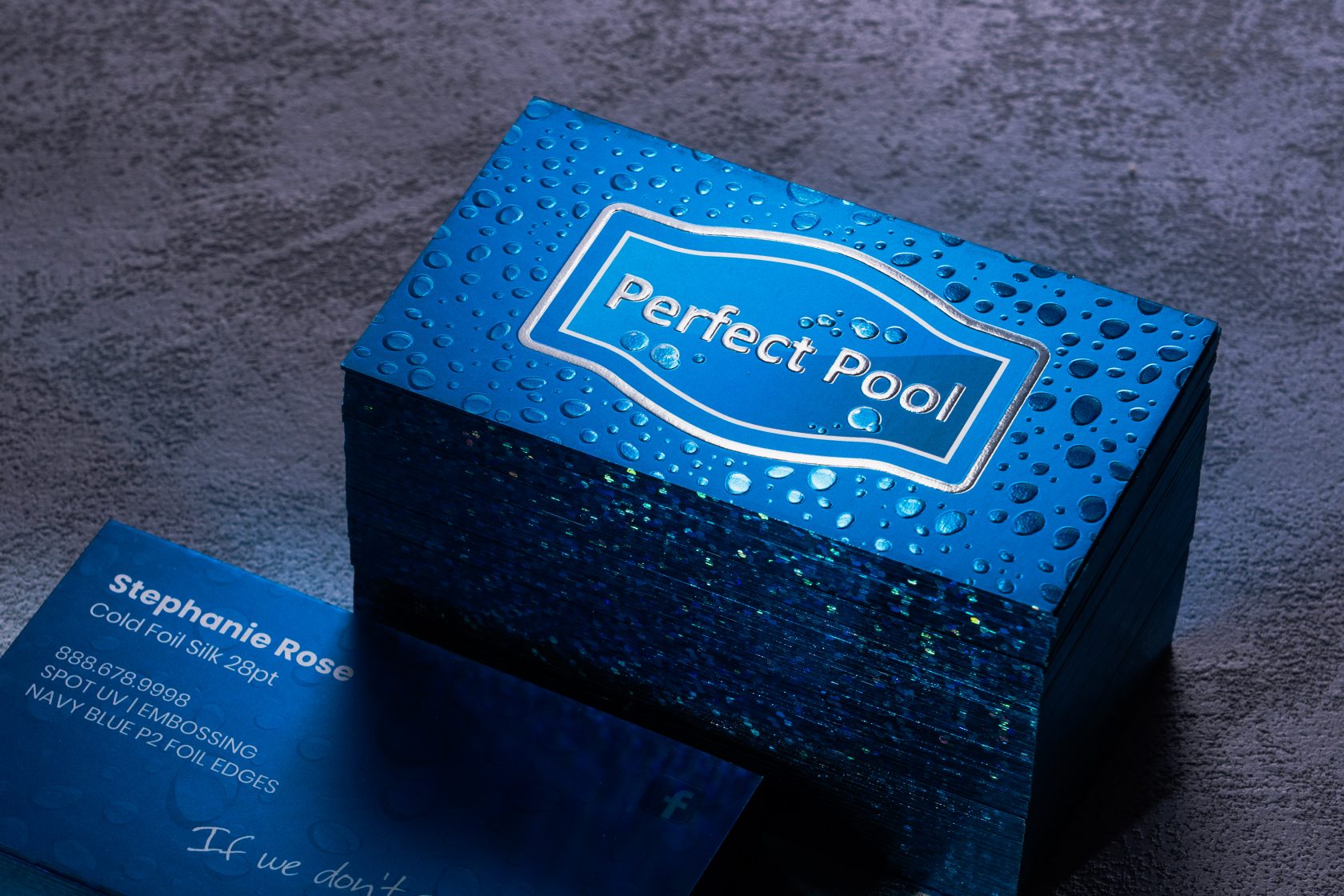
Cold foil
A metallic layer can be combined with printed colour on compatible laminated stocks.
Explore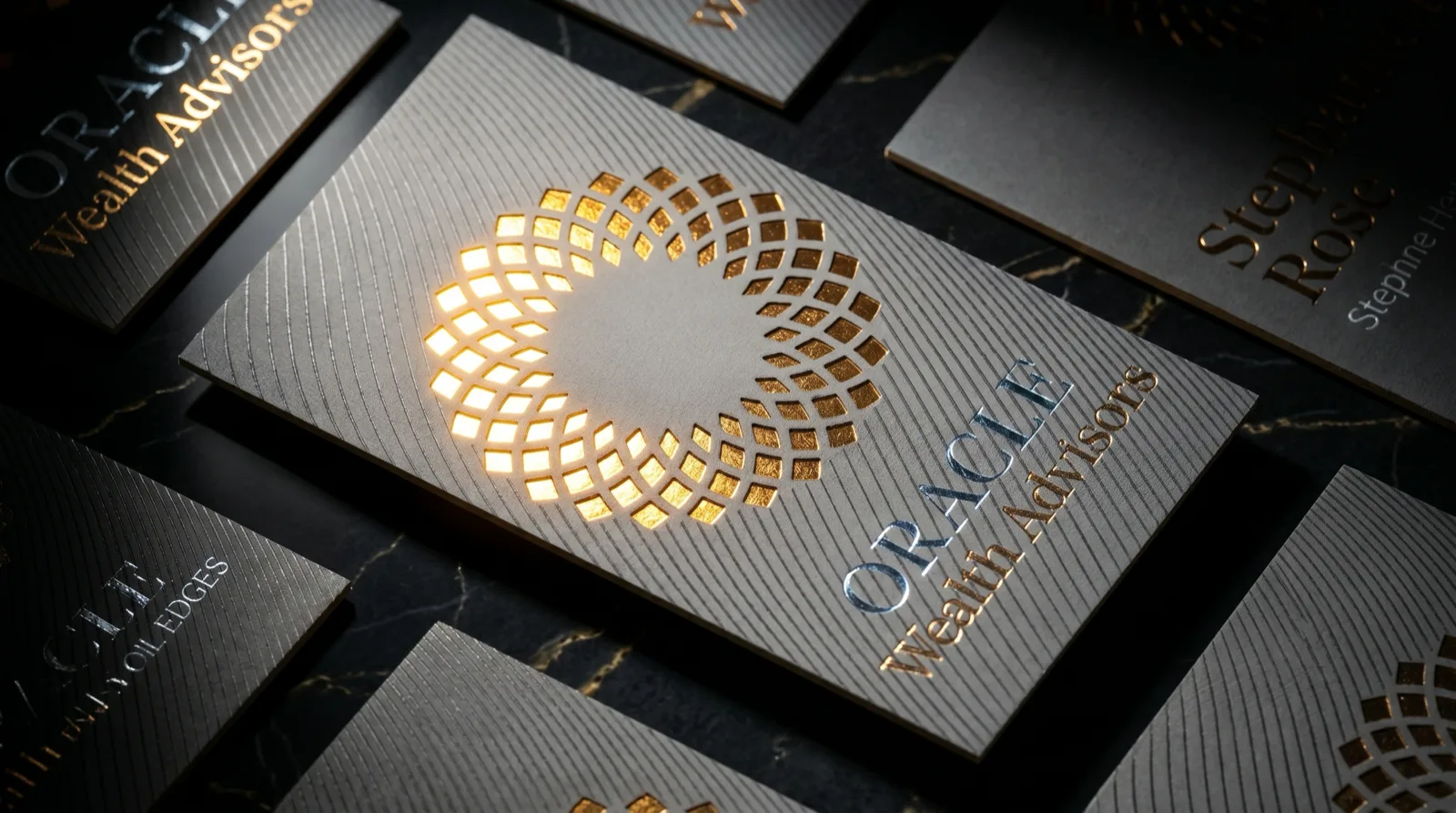
Laser cutting
A fine cut can introduce an opening or a detailed silhouette.
Explore Domed detailSample photography to follow
Domed detail
A clear dimensional finish is applied to a selected part of the artwork.
Explore ↗NFC integrationSample photography to followNFC integration
A selected card construction can include an NFC chip for a digital destination.
Explore ↗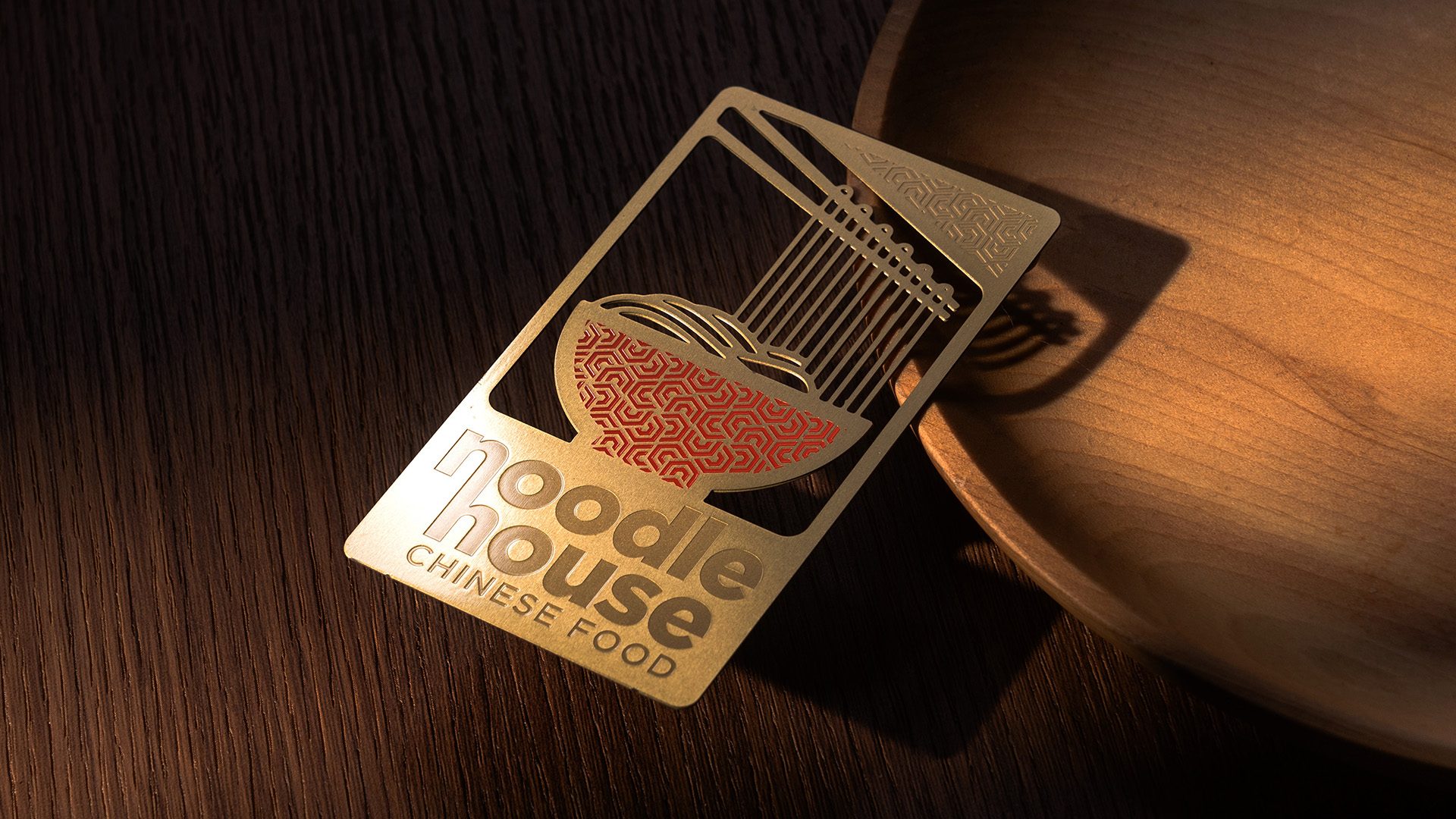
Laser engraving
A laser-marked detail is planned around the selected metal and surface treatment.
Explore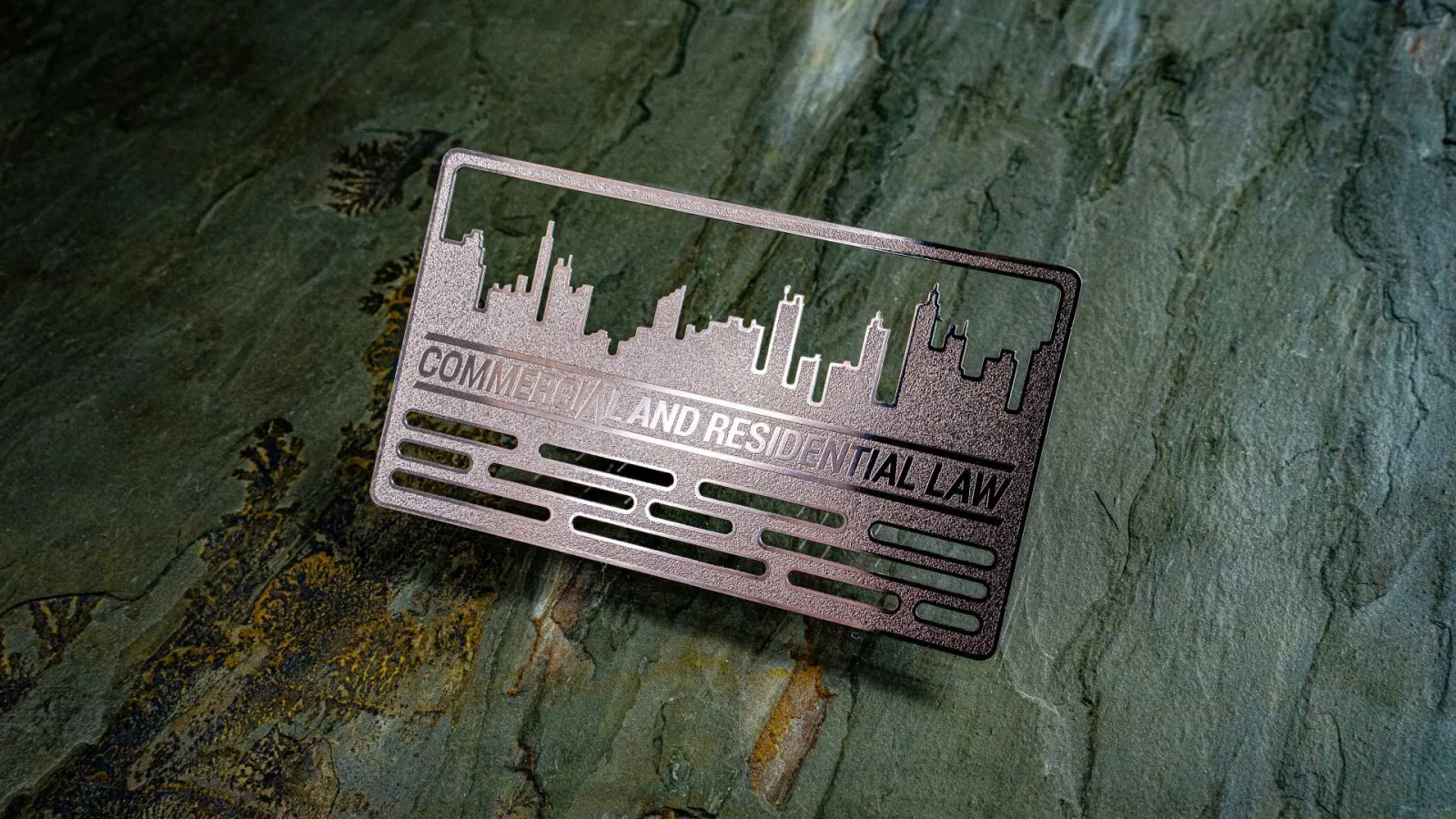
Etching
A recessed metal detail creates a different relationship between the mark and surface.
Explore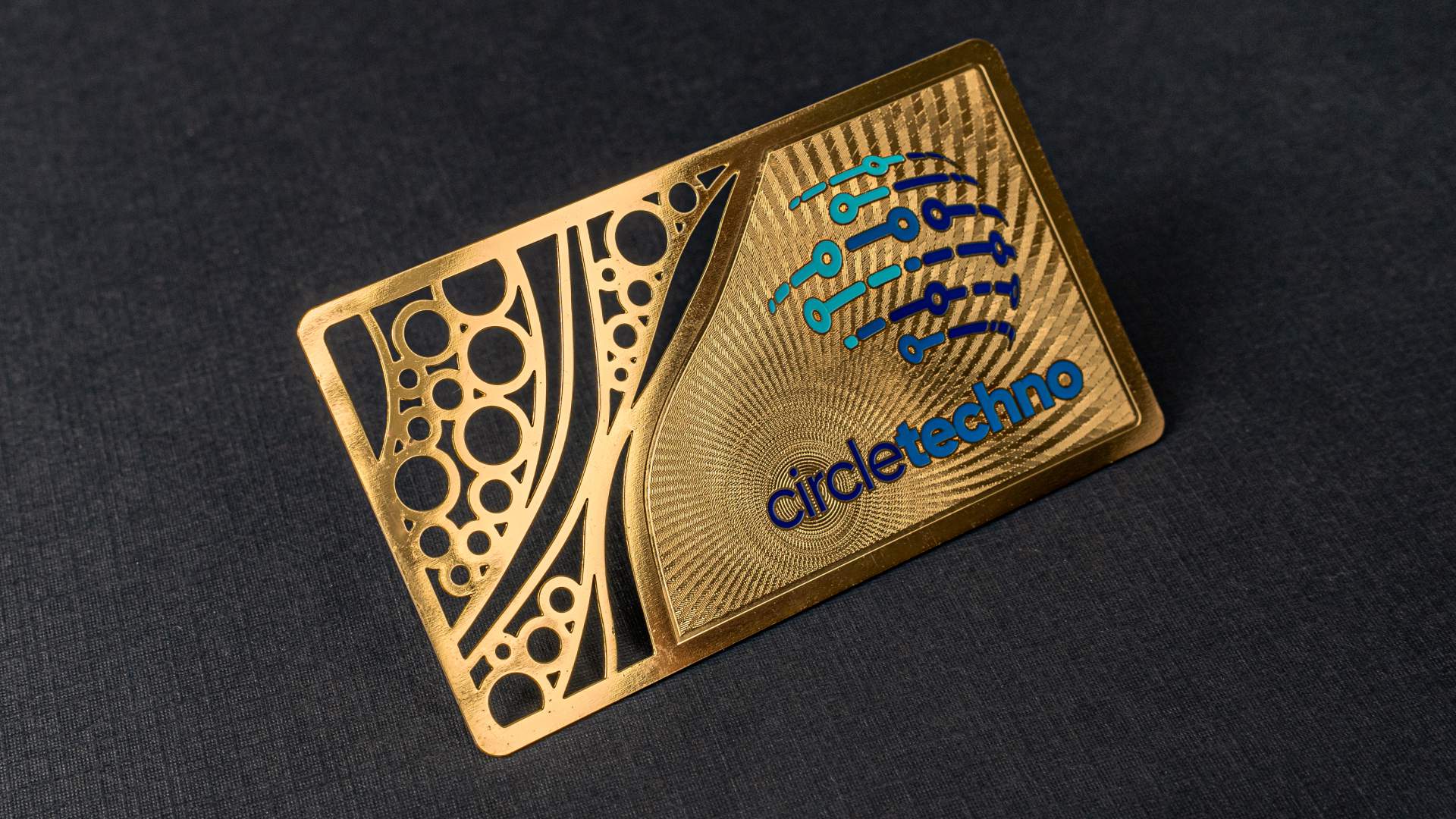
Printing on metal
Printed artwork can introduce colour and information to a metal card.
ExploreScreen printingSample photography to followScreen printing
A screen-printed colour direction is prepared for the selected card surface.
Explore ↗Ink coatingSample photography to followInk coating
A surface colour treatment is specified for the selected metal and printed artwork.
Explore ↗Laser numberingSample photography to followLaser numbering
Variable laser-marked numbers can identify individual cards within a production run.
Explore ↗Printed numberingSample photography to followPrinted numbering
Individual printed numbers can be included on suitable cards.
Explore ↗Plan the specification
Choose cotton first. Then choose the details.
Your next step
Choose where to begin.
Build a specification, compare existing samples, or talk through your design.